Walk into any hardware store today and you’ll see an entire aisle dedicated to smart home devices, a section that barely existed five years ago. Smart home adoption has shifted from early-adopter territory into mainstream home improvement, and homeowners are installing these systems in record numbers. The reasons go beyond gadget appeal: dropping prices, better interoperability, real energy savings, and measurable returns on investment are driving the switch. For DIYers and homeowners planning renovations, understanding this shift isn’t just about keeping up with trends, it’s about making informed decisions that improve comfort, security, and property value.
Table of Contents
ToggleKey Takeaways
- Smart home adoption has shifted into the mainstream due to dramatic price drops, improved interoperability standards like Matter, and measurable energy savings that appeal to cost-conscious homeowners.
- Video doorbells, smart thermostats, and smart lighting are the most popular smart home devices, with many installable by DIYers in under 30 minutes using simple tools and wireless connections.
- Addressing privacy concerns through strong passwords, two-factor authentication, and network segmentation is essential for securing smart home systems, while starting with one or two devices prevents setup complexity from derailing adoption.
- Smart home features increase property value by 3–5% in competitive markets, as buyers recognize security systems, energy-efficient thermostats, and integrated lighting as move-in ready upgrades that reduce long-term costs.
- For homeowners planning to sell, focus on user-friendly, easily demonstrable devices like smart locks, video doorbells, and whole-home hubs rather than overly customized setups that limit appeal to future owners.
What Is Driving the Surge in Smart Home Adoption?
Three factors have converged to push smart home technology from novelty to necessity: affordability, compatibility, and utility-grade reliability.
Price drops have been dramatic. A smart thermostat that cost $250 in 2020 now runs $150 or less, and many utilities offer rebates that knock another $50–$100 off. LED smart bulbs that were $15 each a few years back now retail for under $8. When the barrier to entry is the cost of a decent drill bit set, more homeowners are willing to experiment.
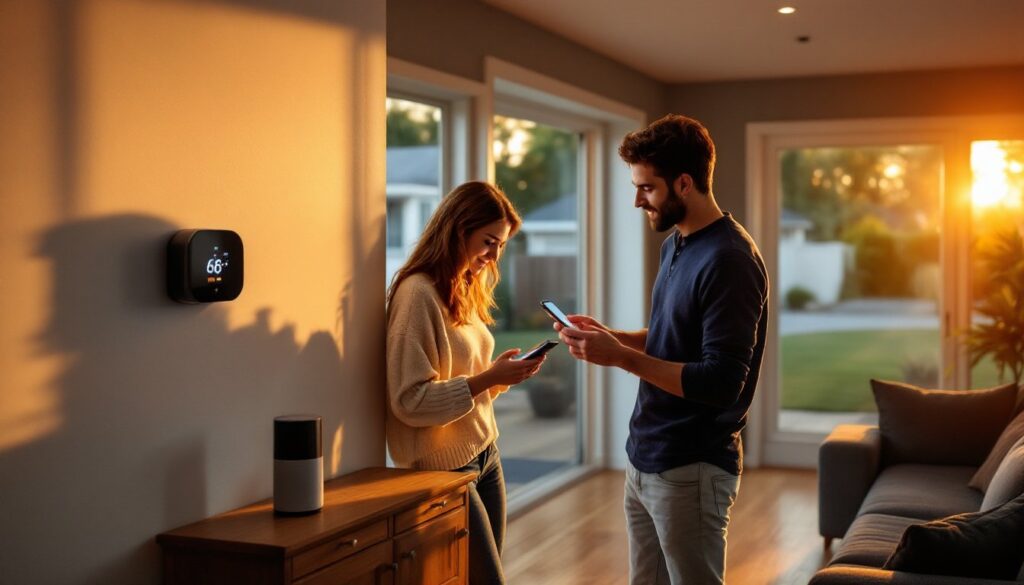
Interoperability standards like Matter (launched in 2022 and now widely adopted) mean devices from different manufacturers actually talk to each other without requiring a computer science degree. A homeowner can pair a Google Nest thermostat with Philips Hue lights and a Ring doorbell, and they’ll work together through a single app or voice assistant. That wasn’t reliably possible even three years ago.
Energy monitoring has also become a hard-sell feature. Real-time data from smart plugs and sensors shows exactly how much phantom load that old chest freezer is drawing, or which room’s space heater is spiking the electric bill. For homeowners tracking monthly budgets, that transparency drives adoption faster than any marketing campaign.
Finally, the rise of DIY installation has removed the need for professional integrators in most cases. Devices ship with QR codes for setup, magnetic mounts, and adhesive backplates. If you can install a dimmer switch or mount a smoke detector, you can install most smart home gear without cutting drywall or hiring an electrician.
The Most Popular Smart Home Devices Homeowners Are Installing
Not all smart home categories see equal adoption. Security, lighting, and climate control dominate, largely because they solve immediate, tangible problems.
Smart Security Systems and Video Doorbells
Video doorbells are the gateway drug of smart home tech. They require minimal wiring (many run on rechargeable batteries), install in under 30 minutes, and deliver instant peace of mind. Models from Ring, Arlo, and Nest offer 1080p or 4K video, two-way audio, and motion-activated recording. Most integrate with existing mechanical or electronic chimes using a low-voltage transformer.
Homeowners appreciate the practical benefits: seeing package deliveries in real time, screening visitors without opening the door, and having timestamped video if a porch pirate strikes. For homes without existing doorbell wiring, battery-powered units mount with two screws and a plastic anchor. For wired installs, you’re typically working with 16–24V AC from a transformer, safe, low-voltage work that doesn’t require a permit in most jurisdictions.
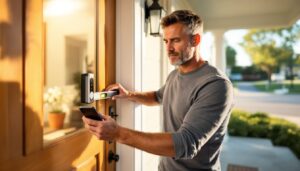
Smart security cameras (indoor and outdoor) and smart locks round out the category. Outdoor cameras need weatherproof housings rated IP65 or higher and should be mounted under eaves to avoid direct rain exposure. Smart locks retrofit onto existing deadbolts in many cases, though if you’re replacing the entire lockset, verify the door’s backset measurement (usually 2-3/8″ or 2-3/4″) before buying. According to expert reviews on smart home devices, integration with voice assistants and mobile alerts has made these systems accessible to non-technical users.
Voice Assistants and Smart Lighting
Voice assistants (Amazon Alexa, Google Assistant, Apple HomePod) serve as the control hub for most smart homes. They’re cheap, easy to set up, and increasingly capable of handling complex routines, “Goodnight” can lock doors, turn off lights, arm the security system, and drop the thermostat to 68°F, all with one phrase.
Smart lighting is the second most common install. Retrofit smart bulbs screw into existing sockets and connect via Wi-Fi, Zigbee, or Z-Wave. For whole-room control, smart switches replace traditional toggle or rocker switches in a standard single-gang box. If you’re comfortable with basic electrical work, cutting power at the breaker, identifying line and load wires, and securing wire nuts, you can swap a switch in 15 minutes.
Dimming capability is a key selling point. Instead of installing a separate dimmer (which may require a neutral wire in older homes), a smart bulb dims via app or voice. For kitchens and workshops, color temperature control (warm 2700K for evenings, cool 5000K for task lighting) has proven popular. When combined with occupancy sensors for automation, smart lighting can reduce energy waste in spaces like hallways, basements, and garages.
Overcoming the Biggest Barriers to Smart Home Adoption
Even though the momentum, three recurring obstacles slow adoption: privacy concerns, complexity creep, and compatibility confusion.
Privacy and data security top the list. Homeowners worry about cameras being hacked, voice assistants eavesdropping, or usage data being sold. The solution isn’t to avoid smart devices, it’s to configure them correctly. Use strong, unique passwords (or a password manager), enable two-factor authentication on every device and app, and segment IoT devices onto a separate Wi-Fi network if your router supports VLANs. Many modern routers include a “guest network” feature that isolates smart devices from computers and phones. For cameras, disable remote access unless you actually need it, and check the manufacturer’s update policy, devices that receive regular firmware updates are far less vulnerable.
Setup complexity has improved, but it’s still a hurdle. Homeowners get frustrated when a device won’t pair, an app crashes during setup, or a voice command doesn’t work as expected. The fix: start small. Install one or two devices, get comfortable with the ecosystem, then expand. Don’t try to automate the entire house in a weekend. And read the actual manual, most connectivity issues stem from skipped steps during initial pairing.
Compatibility problems persist even though Matter and other standards. Not every device supports every protocol, and older gear may never get updated. Before buying, verify compatibility with your existing ecosystem. If you’ve already invested in Google Assistant, double-check that the new smart lock or thermostat explicitly supports Google Home. Reviews on platforms like Tom’s Guide often highlight real-world compatibility issues that spec sheets gloss over.
Finally, retrofitting older homes can present challenges. Homes built before the 1980s may lack neutral wires in switch boxes, which some smart switches require. In those cases, look for switches that don’t need a neutral (Lutron Caseta, for example), or run a new wire, though that’s a job for someone comfortable with NEC code and possibly requiring a permit.
How Smart Home Technology Increases Property Value
Smart home features are no longer just lifestyle perks, they’re quantifiable selling points that appraisers and buyers recognize.
A smart thermostat can document energy savings over time, which appeals to cost-conscious buyers. Nest and Ecobee models generate monthly reports showing HVAC runtime and estimated savings. If you can show a 15–20% reduction in heating and cooling costs, that translates to real dollars and strengthens a listing.
Smart security systems add measurable value. According to multiple real estate analyses, homes with professionally monitored or self-monitored security (including cameras, doorbells, and smart locks) sell faster and command a 3–5% premium in competitive markets. Buyers see these systems as move-in ready upgrades they won’t have to install themselves.
Integrated lighting and shading also move the needle, especially in higher-end markets. Automated blinds, whole-home lighting scenes, and outdoor lighting controlled via app or voice can tip the scales during showings. The key is ensuring the system is user-friendly and well-documented, leave behind instructions, login credentials (reset to a generic account), and warranty info.
Some municipalities and utility companies now recognize smart home tech in energy efficiency rebates and green building certifications. While those don’t directly show up in an appraisal, they can reduce a buyer’s ongoing costs, which factors into affordability and loan approval. Homes with carbon monoxide detectors and other smart safety devices may also see lower homeowner’s insurance premiums, another indirect value boost.
For DIYers planning to sell within a few years, focus on devices that are easy to demonstrate and hard to replicate cheaply: smart locks, video doorbells, and whole-home hubs. Avoid overly customized setups that require niche apps or depend on a specific server configuration. The easier the system is for the next owner to use, the higher the perceived value.
Resources like Digital Trends’ smart home coverage track market data on buyer preferences and adoption trends, helping homeowners prioritize upgrades that deliver the best ROI.
Conclusion
Smart home adoption in 2026 isn’t about chasing the latest gadget, it’s about practical improvements that save money, enhance security, and increase property value. Whether you’re retrofitting an older home or equipping new construction, starting with high-impact devices like thermostats, doorbells, and lighting makes sense. Install them yourself if you’re comfortable with basic wiring and setup, or call in a pro for anything involving structural changes or permitting. Either way, the tools are cheaper, smarter, and easier to use than ever.