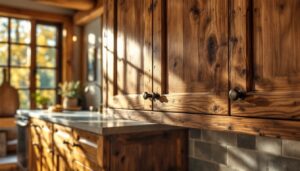
Knotty alder brings a warmth and character to kitchens that manufactured veneers can’t touch. The wood’s distinctive knots, mineral streaks, and color variation make each cabinet door one-of-a-kind, ideal for homeowners chasing that mountain lodge or modern rustic aesthetic without venturing into pine’s softer territory. This hardwood offers the visual drama of natural imperfections while staying workable enough for custom cabinetry. Whether you’re renovating a dated kitchen or building from scratch, knotty alder cabinets deliver lasting appeal when paired with the right finish and maintained properly. Here’s what you need to know before committing to this wood.
Table of Contents
ToggleKey Takeaways
- Knotty alder kitchen cabinets offer distinctive knots, mineral streaks, and unique grain patterns that create a one-of-a-kind, handcrafted aesthetic ideal for rustic, farmhouse, and transitional designs.
- With a Janka hardness rating of 590 lbf, knotty alder is softer than oak but accepts stain evenly without blotching, making it a cost-effective alternative that’s 10–20% less expensive than cherry or walnut.
- Knotty alder cabinets work best with medium stains like provincial or fruitwood and durable topcoats such as satin polyurethane or conversion varnish to resist kitchen moisture, heat, and grease.
- Budget $3,000–$6,000 for a standard 10×12-foot kitchen with basic shaker doors, or up to $15,000+ for custom inset doors with glazing and soft-close hardware.
- Since knotty alder is softer than harder woods, protect cabinets with door bumpers, proper ventilation, and regular furniture wax every 6–12 months to prevent dents, moisture damage, and finish wear.
- Knotty alder cabinets darken over time with UV exposure and are not suitable for ultra-modern or minimalist designs that require smooth, uninterrupted surfaces.
What Makes Knotty Alder Unique for Kitchen Cabinets
Knotty alder (Alnus rubra) is a medium-density hardwood native to the Pacific Northwest, known for its prominent knots, pin holes, and rustic grain patterns. Unlike clear-grade woods that minimize imperfections, knotty alder embraces them, every board tells a different visual story.
The wood’s Janka hardness rating sits around 590 lbf, softer than oak (1290 lbf) but harder than pine (380 lbf). That makes it easier to machine, route, and sand than denser hardwoods, which translates to lower fabrication costs and cleaner detail work on door profiles and edge treatments.
Color and grain characteristics set knotty alder apart. Fresh-cut wood ranges from pale tan to reddish-brown, often with darker mineral streaks running through growth rings. Knots can be tight (small and solid) or open (with gaps or resin pockets). Open knots may need filling during finishing, but they add texture that design-focused homeowners often seek for authenticity.
Because alder is a softer hardwood, it accepts stain exceptionally well and evenly, no blotching like cherry or maple. This stain-friendly nature lets you achieve deep, rich tones or keep it light and natural. The open grain also means it takes glaze and distressing techniques beautifully if you’re chasing an aged or antique look.
One quirk: alder oxidizes over time, darkening slightly with UV exposure. Expect the color to deepen from installation onward, especially in kitchens with lots of natural light.
Design Styles That Complement Knotty Alder Cabinets
Knotty alder thrives in rustic, transitional, and craftsman-style kitchens. The wood’s natural imperfections align with design philosophies that celebrate organic materials over sterile uniformity.
Rustic and cabin aesthetics are the most natural fit. Pair knotty alder with stone backsplashes, exposed beams, wrought iron hardware, and matte black or oil-rubbed bronze fixtures. A medium walnut stain deepens the grain without hiding knot character. Open shelving in reclaimed wood or metal brackets reinforces the lived-in vibe.
Modern farmhouse works when you lighten the stain or use a natural clear coat. Contrast knotty alder uppers with white or light-gray lower cabinets, add subway tile or shiplap, and choose brushed nickel or aged brass pulls. The knots provide texture without overwhelming the clean lines farmhouse design demands.
Craftsman and mission styles leverage alder’s workability for inset doors, beadboard panels, and detailed molding. Quartersawn white oak was the original Arts and Crafts standard, but knotty alder offers similar warmth at a lower price point. Stick with straight-line door styles, shaker or flat-panel, and simple, horizontal hardware.
Transitional kitchens can incorporate knotty alder as an island accent or lower cabinets, pairing it with painted uppers in soft gray, sage, or cream. This two-tone approach balances the wood’s visual weight and keeps the space from feeling too heavy or dark.
Avoid pairing knotty alder with ultra-modern or minimalist designs. The knots and grain read as busy in spaces that depend on smooth, uninterrupted surfaces. Similarly, traditional colonial or French provincial styles usually call for clearer hardwoods like maple or cherry.
Stain and Finish Options for Knotty Alder
Stain selection is where knotty alder cabinets take shape. The wood’s even absorption means nearly any oil-based or gel stain will work, but tone and transparency matter.
Light stains (honey, natural, or golden oak) showcase knots and grain without darkening the space. This approach works in kitchens with limited natural light or where you want a Scandinavian-meets-rustic look. A clear satin polyurethane or water-based topcoat preserves the pale color and protects against moisture.
Medium stains (provincial, chestnut, or fruitwood) are the most popular. They add warmth and depth while letting the knots remain visible. These tones pair well with granite, quartz, or butcher-block countertops and don’t compete with backsplash tile or paint colors.
Dark stains (espresso, dark walnut, or ebony) create drama but can obscure knot detail. If going dark, test samples first, some knots may appear as black voids rather than textured features. Dark finishes also show dust and fingerprints more readily, especially on lower cabinets and drawer fronts.
Glazing and distressing techniques enhance the rustic character. A brown or charcoal glaze applied over stain settles into grooves and knots, adding an aged patina. Light hand-sanding on edges and corners simulates decades of wear. These methods work best on raised-panel or beadboard doors where there’s detail to highlight.
Topcoat options include:
- Satin polyurethane: Durable, moisture-resistant, slight sheen. Standard for most cabinet shops.
- Matte or flat finish: Low reflectivity, hides imperfections, but harder to clean.
- Conversion varnish: Professional-grade, extremely durable, resists kitchen grease and steam. More expensive but worth it for high-traffic kitchens.
- Lacquer: Fast-drying, smooth finish, but less moisture-resistant than poly or conversion varnish.
Always request pre-catalyzed or post-catalyzed finishes from your cabinet maker if durability is a priority. Standard lacquer or poly won’t hold up as well to the steam, heat, and grease a kitchen dishes out.
Pros and Cons of Choosing Knotty Alder
Pros:
- Character and uniqueness: No two cabinet doors match. Knots and grain variation create a custom, handcrafted appearance.
- Stain receptivity: Accepts stain evenly without blotching, offering flexibility in color choice.
- Workability: Easier to mill and detail than harder woods like oak or maple, often lowering fabrication costs.
- Cost-effective: Typically 10–20% less expensive than cherry or walnut for similar rustic appeal.
- Sustainable sourcing: Alder grows quickly and is often harvested from managed forests in the Pacific Northwest.
Cons:
- Softness: Lower Janka hardness means it dents and scratches more easily than oak or maple. Drawer fronts near high-traffic zones are vulnerable.
- Knot stability: Open knots can shrink or shift slightly as the wood acclimates, especially in climates with extreme humidity swings. Some may require filling or epoxy during finishing.
- Not for every style: The busy grain and knots clash with modern, minimalist, or ultra-traditional design schemes.
- Color darkening: UV exposure causes gradual darkening over years. If you replace a single door later, color-matching becomes difficult.
- Limited availability: Not all cabinet manufacturers stock knotty alder. Custom or semi-custom shops are usually required, which can extend lead times.
Knotty alder isn’t the right choice if you prioritize durability above all else or if your design leans contemporary. But for homeowners who value organic texture and a lived-in aesthetic, the tradeoffs are worth it.
Cost Considerations and Budget Planning
Material cost for knotty alder cabinets generally falls between $150 and $300 per linear foot for semi-custom or custom builds, depending on door style, finish complexity, and hardware. Stock cabinets in knotty alder are rare: most are built to order.
For a standard 10×12-foot kitchen (roughly 20 linear feet of cabinetry), expect:
- Budget range: $3,000–$6,000 (basic shaker doors, satin stain, standard hardware)
- Mid-range: $6,000–$10,000 (inset doors, glazing or distressing, upgraded hinges and pulls)
- High-end: $10,000–$15,000+ (full-overlay inset, conversion varnish, soft-close drawers, custom sizing)
These figures are material and fabrication only. Installation labor adds another $50–$100 per hour, typically 16–24 hours for a full kitchen depending on complexity.
Regional pricing varies. Pacific Northwest suppliers often offer better rates on alder due to proximity to mills. Shipping costs to other regions can add 10–15% to the total.
Ways to control costs:
- Choose slab or shaker door styles over raised-panel or beadboard, which require more machining.
- Stick with a single stain and topcoat rather than glazing or multi-step finishes.
- Order stock-size boxes and customize only door fronts and drawer faces.
- Mix knotty alder with painted cabinets (e.g., alder lowers, painted uppers) to cut wood costs by 30–40%.
- Source unfinished cabinets and apply stain and topcoat yourself if you have spray equipment and a dust-free workspace. This can save $2,000–$4,000 but adds significant DIY time.
Don’t skimp on hinges, drawer slides, or topcoat quality. Cheap hardware on a softer wood like alder leads to sagging doors and stuck drawers within a few years.
Maintenance and Care Tips for Longevity
Knotty alder cabinets need consistent but simple care to stay looking sharp. The wood’s softness makes it more vulnerable to damage than harder species, so prevention is key.
Daily and weekly maintenance:
- Wipe down cabinet fronts with a microfiber cloth dampened (not soaked) with warm water. Avoid abrasive sponges or scouring pads.
- For grease or sticky residue, use a pH-neutral dish soap solution (a few drops per quart of water). Dry immediately with a clean cloth.
- Dust upper cabinets weekly to prevent buildup, which can dull the finish over time.
Protecting the finish:
- Install cabinet door bumpers on all doors and drawers to prevent slamming, which can dent edges or crack joints.
- Use drawer liners to protect interior surfaces from utensils and cookware.
- Keep cabinets away from direct steam sources. If your range or dishwasher vents toward cabinetry, proper ventilation and exhaust systems reduce moisture exposure.
- Apply furniture wax or polish (paste wax or spray formulated for wood cabinets) every 6–12 months to restore luster and add a thin protective layer.
Addressing damage:
- Minor scratches: Rub with a walnut meat (yes, the nut itself) or use a stain marker that matches your finish. Buff gently with a soft cloth.
- Dents: If the wood compresses but doesn’t break, dampen the area with a wet cloth, place a towel over it, and apply a hot iron for 10–15 seconds. The steam can swell the wood fibers back up. This works best on unfinished or lightly finished surfaces.
- Knot gaps: If an open knot loosens or a resin pocket cracks, fill with clear or tinted epoxy (available at woodworking suppliers). Sand flush once cured and touch up the finish.
Refinishing considerations:
If the finish wears thin or you want to change the color, knotty alder cabinets can be sanded and restained. Remove doors and drawer fronts, strip the old finish with a chemical stripper or orbital sander (80-grit, then 120-grit), apply new stain, and topcoat. This is a multi-day project best done in a garage or workshop with good ventilation. Wear a respirator and safety goggles when stripping or spraying.
Avoid placing knotty alder cabinets in areas prone to standing water or high humidity without proper sealing. Bathrooms or wet bars require a more durable topcoat like conversion varnish.
Conclusion
Knotty alder cabinets deliver warmth, character, and a handcrafted feel that suits rustic, farmhouse, and transitional kitchens. The wood’s stain-friendly nature and workability make it a cost-effective alternative to pricier hardwoods, while its knots and grain ensure no two kitchens look alike. Factor in the softer hardness rating and plan for protective measures, and you’ll enjoy decades of timeless appeal.