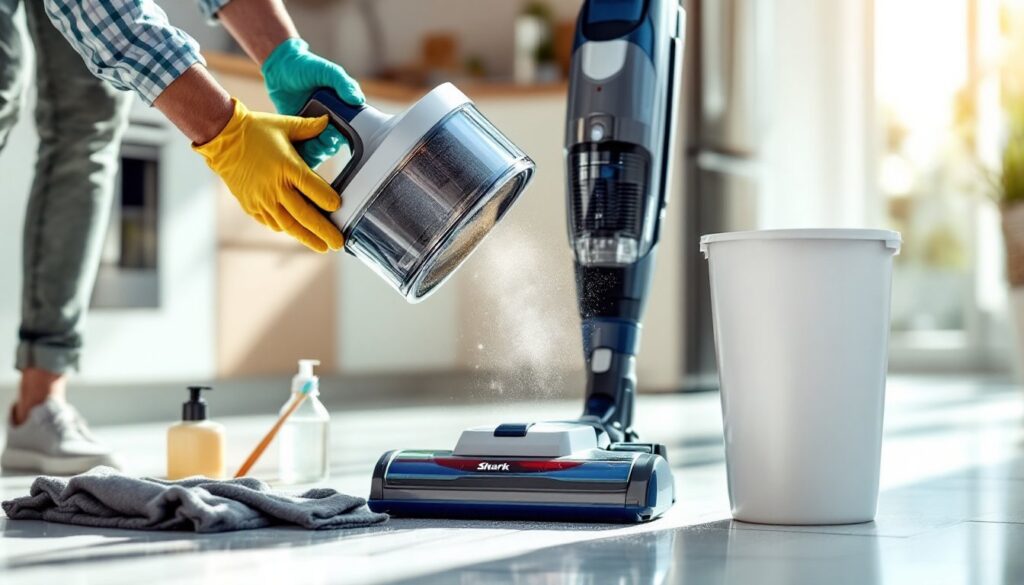
A Shark vacuum that’s clogged with dust and tangled with hair doesn’t just lose suction, it can overheat, strain the motor, and cut its lifespan in half. Most homeowners ignore maintenance until performance tanks, but cleaning a Shark vacuum takes less than 20 minutes and immediately restores pickup power. This guide walks through the complete cleaning process, from emptying the dust cup to washing filters and clearing brush roll tangles. Whether you’ve got an upright, cordless stick, or robot model, these steps apply across the Shark lineup and keep the machine running like new.
Table of Contents
ToggleKey Takeaways
- Cleaning a Shark vacuum regularly prevents motor strain, overheating, and cuts maintenance time down to just 20 minutes while immediately restoring pickup power.
- Empty the dust cup at the MAX fill line, wash filters monthly (pre-motor every 6–9 months, HEPA every 12–18 months), and check the brush roll weekly for pet owners to maintain peak performance.
- Hair and debris wrapped around the brush roll reduce agitation by half and can be safely removed with scissors in minutes—a common issue many homeowners overlook.
- Clogged hoses, wands, and attachments are often mistaken for motor problems; checking these components takes five minutes and frequently solves mystery suction loss.
- Proper maintenance protects your warranty and prevents costly $200+ replacements, since most warranty voids trace back to skipped upkeep rather than defects.
Why Regular Shark Vacuum Cleaning Matters
Shark vacuums use cyclonic separation and HEPA filtration to trap fine particles, but that system only works when airflow isn’t restricted. A dirty filter forces the motor to work harder, generating excess heat and wear. Dust buildup in the cyclone chamber reduces the centrifugal effect that separates debris from air, causing fine particles to recirculate or clog the exhaust.
Hair and fiber wrapped around the brush roll creates drag on the motor and prevents bristles from agitating carpet pile effectively. On models with self-cleaning brush rolls, the comb teeth can’t clear tangles if debris has hardened into a mat. Neglecting these components doesn’t just hurt cleaning performance, it voids warranties that exclude damage from lack of maintenance.
Most Shark models include maintenance indicators: a flashing Filter Cleaning light or a noticeable drop in suction. Waiting for these warnings is too late. Monthly cleaning (or every two weeks for homes with pets) prevents buildup before it impacts performance. For households vacuuming daily or dealing with heavy shedding, check the dust cup and brush roll after every use.
What You’ll Need to Clean Your Shark Vacuum
Gather these supplies before starting. Most tasks require nothing beyond what’s already in the average home.
Materials:
- Microfiber cloths or lint-free rags
- Mild dish soap (avoid antibacterial or moisturizing formulas)
- White vinegar (optional, for odor or mineral deposits)
- Warm water
- Small brush (an old toothbrush works)
- Scissors or seam ripper
Tools:
- Flathead screwdriver (for some attachment releases)
- Compressed air canister (optional, for tight crevices)
Safety notes: Unplug the vacuum before disassembly. For cordless models, remove the battery pack. Wear gloves if handling a dusty filter or brush roll with embedded debris, pet hair often carries allergens, and fine dust can irritate skin.
How to Empty and Clean the Dust Cup
The dust cup (or dirt bin) fills faster than most people expect, emptying it when it reaches the MAX fill line prevents clogs and maintains airflow. Here’s the process:
-
Release the dust cup. Press the release button (usually on the handle or body) and pull the cup away from the main unit. On some uprights, you’ll need to detach the wand first.
-
Empty over a trash bin. Hold the cup over the bin and press the bottom release door. Tap the sides gently to dislodge compacted dust. For households following basic vacuum maintenance practices, this step alone improves suction by 30%.
-
Wash the dust cup. Remove any remaining filters (see next section). Rinse the cup under warm water, using a drop of dish soap and a microfiber cloth to scrub the interior walls and cyclone cone. The cone often has a textured surface that traps fine dust, use the cloth or a soft brush to clean the ridges.
-
Dry completely. Shake out excess water and air-dry for 24 hours. Water trapped in seams or around the seal can cause mildew odor or damage to electronics when reassembled. Don’t use a hairdryer or place in direct sunlight: heat can warp plastic components.
If the cup has a persistent odor, fill it halfway with warm water and add two tablespoons of white vinegar. Let it sit for 15 minutes, rinse thoroughly, and dry. Avoid bleach or harsh cleaners, they degrade plastic and rubber seals over time.
Cleaning and Maintaining Shark Vacuum Filters
Shark vacuums typically use two filters: a foam and felt pre-motor filter (located in or near the dust cup) and a HEPA post-motor filter (behind the exhaust vent). Both are washable and reusable, but they’re not interchangeable and must be cleaned separately.
Pre-motor filter cleaning:
-
Remove the filter from the dust cup housing. On most models, it lifts straight out or twists counterclockwise.
-
Tap the filter over a trash bin to release loose dust. If it’s heavily caked, use compressed air outdoors to blow debris free.
-
Rinse under cool water only (hot water can shrink foam). Hold it under the tap and squeeze gently until the water runs clear. Don’t use soap, it leaves residue that clogs pores.
-
Squeeze out excess water (don’t wring or twist) and air-dry for 24 hours. Placing a damp filter back in the vacuum will reduce suction and can short electrical components.
HEPA filter cleaning:
-
Locate the HEPA filter behind a small door on the back or side of the unit. It’s usually a pleated cartridge.
-
Rinse the same way as the pre-motor filter, cool water, no soap. The pleats trap ultrafine particles, so rinse until water drains clean.
-
Air-dry completely. Some users speed this up by placing the filter near (not on) a dehumidifier or air return vent.
Replacement schedule: Even with monthly cleaning, filters degrade. Replace foam and felt filters every 6–9 months or when they tear or lose shape. Replace HEPA filters every 12–18 months, or sooner if suction doesn’t improve after cleaning. Shark sells replacement kits that include both types, using off-brand filters can reduce filtration efficiency and void the warranty.
How to Clean the Brush Roll and Remove Hair Tangles
The brush roll (or beater bar) is where hair, string, and fibers accumulate fastest. Even self-cleaning models need manual help once buildup hardens.
-
Access the brush roll. Flip the vacuum head upside down. Most Shark models have a release latch or two screws securing the bottom plate. Remove the plate to expose the brush roll.
-
Remove the brush roll. Lift the roll out of its housing. On some models, you’ll need to press side tabs or pull end caps. Note the orientation, reinstalling it backward prevents the belt from engaging.
-
Cut away tangles. Use scissors or a seam ripper to slice through hair wrapped around the bristles. Work from one end to the other, cutting along the length of the roll. Pull away the cut hair, it often comes off in a single mat.
-
Clean the bristles and roll. Wipe down the roll with a damp microfiber cloth to remove dust and residue. Check the bristles for stiffness, worn or melted bristles (from friction heat) mean it’s time for a replacement roll.
-
Inspect the belt. The belt loops around the brush roll and motor spindle. Check for cracks, stretching, or a burnt rubber smell. A loose or damaged belt won’t spin the roll effectively. Replacement belts cost under $10 and snap into place without tools on most models.
-
Clear the housing. Before reinstalling, check the brush roll cavity for debris. Use compressed air or a damp cloth to wipe out dust and hair that’s fallen into the channel.
-
Reassemble. Slide the brush roll back into place, making sure the belt is seated on both the roll and motor spindle. Snap or screw the bottom plate back on.
For pet owners, this step should happen weekly. Long hair and pet fur bind tightly to bristles, and once matted, they reduce agitation power by half. Homes with moderate debris can stretch this to monthly maintenance.
Cleaning Hoses, Attachments, and Accessories
Clogs in hoses and attachments cause loss of suction even when the dust cup and filters are clean. Checking these components takes five minutes and often solves mystery performance issues.
Hoses and wands:
-
Detach the hose from both the vacuum body and the wand. On upright models, this usually involves a twist-lock collar.
-
Hold the hose up to a light and look through it. Any blockage will show as a dark spot. Use a broomstick or straightened wire hanger to push clogs through. For stubborn buildup, run warm water through the hose and hang it to dry for 24 hours.
-
Wipe down the wand with a damp cloth. Check the connection points for cracks, cracked fittings leak air and reduce suction.
Attachments (crevice tool, upholstery brush, pet tool):
-
Remove any visible debris by hand. Hair often wraps around the base of motorized pet tools, use scissors to cut it free.
-
Wash plastic attachments in warm, soapy water. Scrub bristles with an old toothbrush to remove embedded dust and grease (kitchen cleaning often leaves oily residue on tools).
-
Rinse thoroughly and dry completely before storage.
Many homeowners discover that what they thought was a vacuum motor issue is actually a clogged hose fitting. The elbow joint where the hose meets the wand is a common choke point, debris gets compressed there during use. Pop that fitting off and clear it manually if suction drops suddenly. For more insight into keeping household tools in peak shape, regular equipment care extends the lifespan of everything from vacuums to power drills.
Storage tip: Hang hoses loosely rather than coiling tightly. Tight coils create kinks that restrict airflow and eventually crack the hose material. Use a hook or over-the-door hanger if the vacuum doesn’t include onboard storage for attachments.
Conclusion
Cleaning a Shark vacuum isn’t about adding chores, it’s about protecting an investment and avoiding the frustration of weak suction or motor burnout. Monthly filter washes, weekly brush roll checks for pet owners, and immediate attention to clogs keep performance consistent. Most repairs that void warranties trace back to skipped maintenance, not defects. For more detailed cleaning strategies across all home systems, comprehensive maintenance guides cover everything from HVAC filters to appliance care. Twenty minutes of upkeep now prevents a $200 replacement later.