Your Roomba stops mid-cycle, beeps, and flashes Error 26. It’s frustrating, one moment the vacuum’s cleaning along, the next it’s frozen in place demanding attention. Error 26 on a Roomba typically signals a cliff sensor problem, which means the device thinks it’s about to tumble down a staircase, even when it’s sitting flat on your living room floor. The good news? This error is usually simple to diagnose and fix without calling in professional help. Most homeowners can resolve it with basic cleaning and a quick restart, getting their robot vacuum back to work in under ten minutes.
Table of Contents
ToggleKey Takeaways
- Error 26 on a Roomba indicates a cliff sensor malfunction that falsely detects a drop-off, but most cases resolve with simple cleaning and a restart within 10 minutes.
- Dirty cliff sensors are the most common cause—dust, pet hair, and debris on the sensor lenses interfere with infrared readings, so regular cleaning prevents this error.
- Clean the sensors with a dry microfiber cloth or lightly dampened isopropyl alcohol, then restart by holding the CLEAN button for 10-20 seconds to clear temporary glitches.
- Test your Roomba on lighter-colored flooring since dark floors and thick rugs can falsely trigger the cliff detection system due to poor infrared reflection.
- Update your Roomba’s firmware through the iRobot Home app if the error persists after cleaning, as outdated software may misinterpret normal sensor data.
- If the error continues after troubleshooting, contact iRobot support to check warranty coverage—sensor replacements typically cost $80–$150 out of warranty.
What Is Roomba Error 26?
Error 26 on a Roomba indicates a cliff sensor malfunction. Cliff sensors are small infrared sensors located on the underside of the robot vacuum, typically positioned near the front and sides. Their job is to detect drop-offs, like staircases, ledges, or sunken living rooms, so the Roomba can reverse direction before taking a tumble.
When the sensors detect what appears to be a cliff (or fail to detect the floor beneath them), the Roomba immediately stops and displays Error 26. The robot might also emit a series of beeps and show a red light around the power button, depending on the model.
This safety feature is critical for preventing damage, but it can trigger false positives. Dark-colored flooring, thick rugs, reflective surfaces, or even dust buildup on the sensors themselves can all fool the cliff detection system into thinking there’s a drop when there isn’t. Understanding this helps narrow down the cause quickly.
Common Causes of Error 26 on Your Roomba
Dirty or Obstructed Cliff Sensors
The most frequent culprit behind Error 26 is dirty cliff sensors. These sensors rely on infrared light to measure the distance to the floor. When dust, pet hair, carpet fibers, or cleaning product residue accumulates on the sensor lenses, it interferes with the infrared beam and causes faulty readings.
Flip your Roomba upside down and locate the cliff sensors, they look like small, round plastic windows on the bottom chassis, usually translucent or slightly tinted. Even a thin film of dust can trigger the error. Household debris like flour, drywall dust from a recent renovation, or tracked-in dirt from outside can coat these sensors quickly.
Another issue is physical obstruction. If the Roomba recently ran over a piece of tape, a sticker, or a clump of pet hair, material may be stuck directly over a sensor. Check each sensor carefully for anything blocking the lens.
Software Glitches and Firmware Issues
Less commonly, Error 26 can stem from a software glitch or outdated firmware. Roombas run on embedded software that controls sensor interpretation, navigation logic, and error reporting. Occasionally, a memory hiccup or a corrupted sensor reading can lock the system into an error state, even after the physical problem is resolved.
iRobot releases firmware updates periodically to fix bugs, improve navigation algorithms, and refine sensor calibration. If your Roomba hasn’t been updated in several months, an outdated firmware version might misinterpret normal sensor data as an error condition. Some smart home device reviews note that keeping robot vacuums updated can prevent recurring software-based errors.
A simple reboot often clears temporary software issues, but persistent problems may require a factory reset or manual firmware update through the iRobot Home app.
Step-by-Step Troubleshooting Guide
Follow these steps to resolve Error 26. Most users will fix the problem in the first two steps.
1. Clean the Cliff Sensors
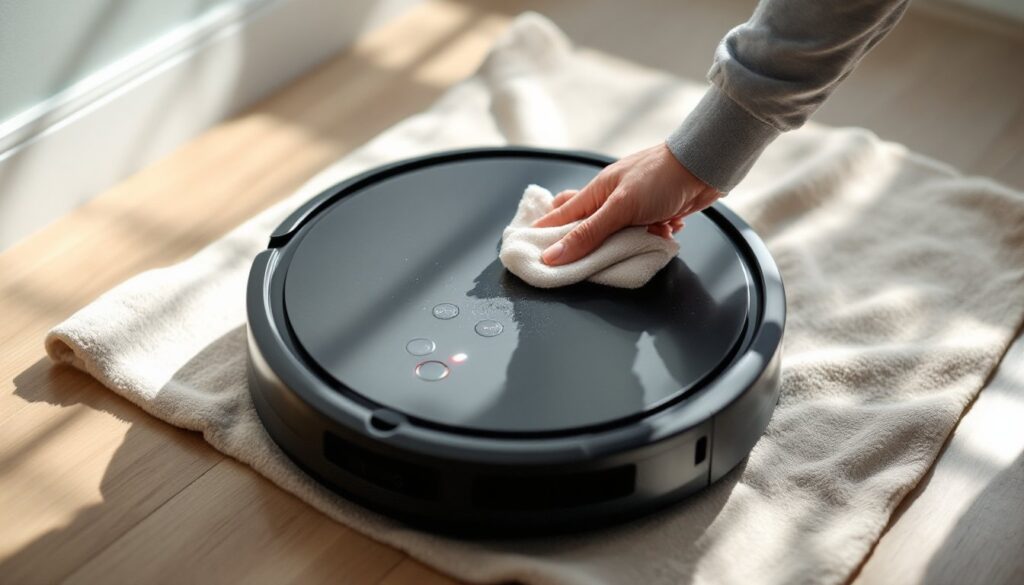
- Turn off the Roomba and flip it upside down on a clean, flat surface (a towel works well to protect the top cover).
- Locate all cliff sensors on the underside. Most models have four to six sensors positioned near the front bumper and along the sides.
- Use a clean, dry microfiber cloth to gently wipe each sensor lens. Avoid using water or cleaning solutions initially, static can attract more dust.
- For stubborn grime, lightly dampen the cloth with isopropyl alcohol (70% or higher) and wipe again. Let the sensors air-dry for 30 seconds.
- Check for debris stuck around the sensor housings. A toothpick or compressed air can dislodge trapped hair or dust, but don’t press hard enough to scratch the lens.
2. Restart the Roomba
- Press and hold the CLEAN button for 10-20 seconds until the device powers off completely.
- Wait 10 seconds, then press CLEAN again to restart.
- Place the Roomba on a flat, hard surface (not on a rug or dark floor) and let it attempt a cleaning cycle.
If Error 26 clears, the problem was dirt or a minor software hiccup. If it persists, continue troubleshooting.
3. Test on Different Floor Surfaces
Cliff sensors can struggle with certain flooring types. Dark hardwood, black tile, and thick shag rugs sometimes read as voids because they absorb infrared light rather than reflecting it back to the sensor.
- Move the Roomba to a lighter-colored, flat surface, preferably a white or beige tile or laminate floor.
- Start a cleaning cycle and observe whether Error 26 reappears.
- If the error only occurs on specific floors, the sensors are functioning correctly but interpreting that surface as a drop-off. You’ll need to either avoid those areas or adjust lighting (some users find that brighter room lighting reduces false positives).
4. Update Firmware
- Open the iRobot Home app on your smartphone (iOS or Android).
- Select your Roomba from the device list.
- Tap Settings > Software Update and check for available updates.
- If an update is available, connect the Roomba to its charging dock and let the update install. This can take 10-30 minutes. Don’t interrupt the process.
- After the update completes, restart the Roomba and test.
Many home automation guides recommend enabling automatic updates to prevent future firmware-related errors.
5. Perform a Factory Reset (Last Resort)
If none of the above steps work, a factory reset may clear persistent software errors. Be aware this will erase custom cleaning schedules, maps, and Wi-Fi settings.
- Press and hold CLEAN, SPOT, and HOME buttons simultaneously for about 20 seconds (button combinations vary by model, check your manual).
- The Roomba will play a tone and reset to factory defaults.
- Reconfigure the device through the app and test again.
Safety Note: Always disconnect the Roomba from the charging dock before flipping it over or performing maintenance. Avoid using water directly on the sensors or internal components.
When to Contact iRobot Support or Seek Professional Help
If you’ve cleaned the sensors, updated firmware, tested on multiple surfaces, and performed a factory reset, and Error 26 still appears, you’re likely dealing with a hardware failure.
Faulty cliff sensors can degrade over time, especially in homes with pets, heavy dust, or high humidity. The infrared emitters or receivers inside the sensor housing may fail, or the sensor circuit board itself may develop a short. This isn’t a DIY repair unless you’re comfortable with soldering and microelectronics.
Check your warranty first. Roombas typically come with a one-year limited warranty covering defects in materials and workmanship. If your unit is still under warranty, contact iRobot support before attempting any disassembly. Unauthorized repairs can void coverage.
To reach iRobot support:
- Visit the iRobot support page and use the chat function or phone line (hours vary by region).
- Have your model number and serial number ready (printed on a label beneath the dustbin or on the underside of the robot).
- Describe the troubleshooting steps you’ve already taken to expedite the process.
iRobot may send a replacement sensor module or arrange a repair, depending on the issue and warranty status. Out-of-warranty repairs typically cost $80–$150, depending on the model and whether you ship the unit in or replace parts yourself.
Third-party repair services are an option for older, out-of-warranty Roombas. Some local appliance repair shops handle robot vacuums, and independent technicians often charge less than manufacturer service. But, verify they use genuine iRobot parts to avoid compatibility issues.
Replacement consideration: If your Roomba is several years old and repair costs approach 50% of a new unit’s price, it may be more economical to upgrade. Newer models offer improved sensors, better navigation, and longer battery life. Reviews from trusted sources like Good Housekeeping can help compare current models and identify the best fit for your home’s layout and flooring.
Conclusion
Error 26 on a Roomba is almost always fixable with basic maintenance. Clean those cliff sensors, restart the device, and check for firmware updates. Most homeowners will have their robot vacuum running again in minutes. If hardware failure is the issue, weigh repair costs against replacement value, and keep those sensors clean to avoid repeat problems.