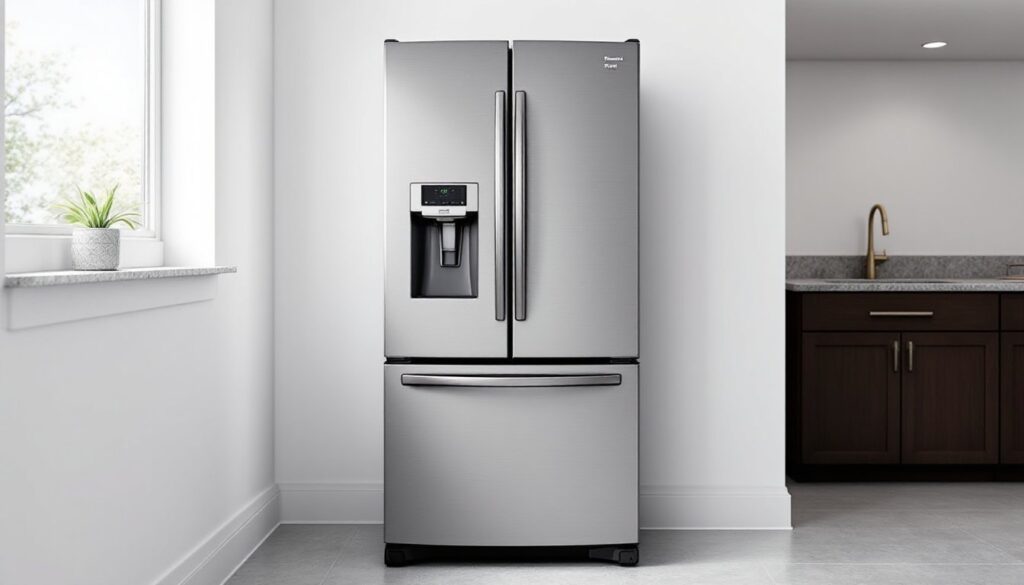
A 7.5 cubic foot refrigerator fills a specific gap in home cooling, too large for a dorm room, too small for a primary kitchen, but just right for basements, garages, rentals, or secondary living spaces. Frigidaire has carved out a reliable niche in this category, offering compact models that don’t sacrifice features for footprint. Whether someone’s building out a home bar, outfitting a mother-in-law suite, or just needs overflow storage during holidays, understanding what a 7.5 cu ft unit delivers, and where it falls short, makes the difference between a smart buy and buyer’s remorse.
Table of Contents
ToggleKey Takeaways
- A Frigidaire 7.5 cu ft refrigerator is ideal for secondary living spaces like basements, garages, and rental properties, offering the perfect balance between compact footprint and functional storage capacity.
- Energy Star certified models consume only 200–240 kWh annually, costing approximately $32–38 per year to operate, with low electrical demands that won’t overload standard 115V circuits.
- Proper installation location and ventilation are critical—maintain at least 1 inch clearance on sides and 2 inches in back, avoid spaces exceeding 100°F, and ensure the unit is properly leveled to prevent compressor strain.
- Frigidaire’s 7.5 cu ft models feature reversible doors, adjustable shelving, and sturdy construction at mid-range pricing ($400–$600), offering reliable performance comparable to or better than budget competitors like Magic Chef and Danby.
- Routine maintenance every 3–6 months, including condenser coil cleaning and door gasket inspection, extends appliance lifespan and maintains peak efficiency in your compact refrigerator.
- Unlike full-size models, manual-defrost operation and the absence of automatic ice makers simplify mechanics and reduce failure points, making this size class a dependable choice for secondary refrigeration needs.
Why Choose a 7.5 Cubic Foot Refrigerator?
The 7.5 cu ft size hits a sweet spot for secondary refrigeration needs. It’s compact enough to fit through standard doorways and tight stairwells without removing doors, yet spacious enough to handle a week’s groceries for one or two people. Typical dimensions run around 55-57 inches tall, 22-24 inches wide, and 24-26 inches deep, though exact measurements vary by model.
This capacity works well for specific living situations. Basement rec rooms, detached garage workshops, and accessory dwelling units (ADUs) are prime candidates. Renters often choose this size when a landlord-provided fridge is undersized or non-existent. College apartments and senior living spaces also benefit from the manageable scale, it’s easier to organize than a full-size unit and doesn’t overwhelm small kitchens.
From a practical standpoint, a 7.5 cu ft fridge typically draws 1.5-2.5 amps on a standard 115V circuit, meaning it won’t overload a shared circuit with other appliances. That’s a consideration in older homes or spaces where dedicated circuits aren’t available. Most units in this class don’t require a water line, simplifying installation compared to larger models with ice makers.
Key Features of Frigidaire 7.5 Cu Ft Models
Frigidaire’s compact lineup includes both top-freezer and all-refrigerator configurations in the 7.5 cu ft range. Knowing which features matter, and which are marketing filler, helps narrow the field.
Storage Capacity and Interior Layout
A 7.5 cu ft unit typically divides space with a 2.5 cu ft freezer compartment and 5 cu ft refrigerator section in top-freezer models. All-refrigerator versions dedicate the full 7.5 cu ft to fresh food storage, which works if someone already has a standalone freezer.
Interior shelving usually consists of 2-3 adjustable wire or glass shelves in the fridge section. Glass shelves contain spills better but add weight: wire shelves improve airflow and reduce frost buildup in manual-defrost units. Door bins hold gallon containers, though tall bottles may not fit if the bin design is shallow. Crisper drawers, when included, are typically single-unit plastic bins without humidity controls, fine for short-term vegetable storage but not ideal for extending produce life.
Freezer sections in this size class rarely include shelving. Expect a single open compartment with maybe one wire rack. Ice cube trays are manual: automatic ice makers don’t appear in this price and size bracket. That’s a plus for simplicity and fewer mechanical failures, but a drawback if convenience matters.
Energy Efficiency and Operating Costs
Energy Star certification is standard on most current Frigidaire 7.5 cu ft models, meaning annual electricity use falls around 200-240 kWh. At the national average of $0.16 per kWh (as of early 2026), that’s roughly $32-38 per year in operating costs. Manual-defrost models use slightly less power than auto-defrost versions but require defrosting every few months when frost buildup exceeds half an inch.
Compressor placement affects efficiency and noise. Frigidaire typically mounts compressors at the rear or bottom. Bottom-mounted compressors run quieter and allow better air circulation underneath, reducing dust accumulation on coils. Rear-mounted units require at least 2 inches of clearance behind the fridge for proper ventilation, critical in tight installations.
Noise output ranges from 38-42 decibels during compressor cycles. That’s comparable to a quiet library. Older homes with hollow walls may transmit vibration, so placing the unit on a rubber mat or adjustable feet can dampen sound transfer.
Best Spaces for Installing Your Frigidaire 7.5 Cu Ft Refrigerator
Location dictates performance. A 7.5 cu ft fridge works harder in a hot garage than a climate-controlled bedroom, and placement errors shorten compressor life.
Basements are ideal if they stay between 55-90°F year-round. Unheated basements in cold climates can drop below the minimum operating temperature, causing the compressor to struggle or the thermostat to malfunction. If winter temps dip below 50°F, a garage-rated model with a low-temp kit is necessary.
Garages work in temperate climates, but scorching summer heat, above 100°F, forces the compressor to run continuously, spiking energy use and risking early failure. Insulated garages or shaded exterior walls help. Avoid placing the unit near water heaters, furnaces, or direct sunlight from windows.
Secondary kitchens and wet bars are natural fits. Ensure the floor is level: an unlevel fridge strains the compressor and causes doors to swing open or shut on their own. Use a 4-foot level during installation and adjust the front leveling legs until the bubble centers. A slight backward tilt (about 1/4 inch higher in front) helps doors self-close.
Outdoor installations aren’t recommended unless the fridge is specifically rated for outdoor use. Standard Frigidaire 7.5 cu ft models lack weatherproofing, and humidity corrodes internal components. If someone’s considering an outdoor setup, a purpose-built outdoor refrigerator is the better call.
Ventilation matters everywhere. Leave at least 1 inch on each side and 2 inches in back for airflow. Built-in or cabinet installations require a vent grille at the base and top to prevent heat buildup. When designing small kitchen solutions in tight spaces, accounting for these clearances prevents overheating.
Installation and Maintenance Tips
Installation is straightforward, but skipping basics leads to problems down the line. Before moving the unit, measure doorways, hallways, and the final installation space. Frigidaire 7.5 cu ft models ship with door hinges that are sometimes reversible, check the manual before assuming which side the door will open.
Electrical requirements: A grounded 115V, 15-amp circuit handles most models. Avoid extension cords: they’re a fire hazard and void warranties. If the installation space lacks a nearby outlet, hire an electrician to add one. This is minor electrical work but ensures code compliance and safe operation.
Leveling: Use the adjustable front legs to level the unit front-to-back and side-to-side. A 4-foot level placed on top of the fridge should show the bubble centered or slightly forward. Unlevel fridges develop compressor strain and door-seal leaks.
First startup: Let the fridge sit upright for 4 hours after moving before plugging it in. This allows compressor oil to settle if the unit was tilted during transport. Set the thermostat to the mid-range setting and allow 24 hours to reach optimal temperature before loading food.
Maintenance schedule:
- Every 3 months: Vacuum the condenser coils (usually accessible from the rear or bottom grille). Dust buildup reduces efficiency by up to 25%.
- Every 6 months: Check door seals by closing the door on a dollar bill. If it pulls out easily, the gasket needs replacing.
- Annually: Inspect the drain pan (if accessible) and clean any mold or residue. Wipe down interior surfaces with a baking soda solution (1 tablespoon per quart of water).
Manual-defrost models require defrosting when frost reaches 1/2 inch thick. Turn off the unit, remove food, and let ice melt naturally or speed it up with pans of hot water. Never chip ice with metal tools, it punctures cooling lines.
Safety note: Always unplug the fridge before cleaning coils or accessing any internal components. If someone’s comfortable handling basic appliance maintenance, these tasks take under an hour. For compressor issues, refrigerant leaks, or electrical faults, call a licensed appliance technician.
Comparing Frigidaire 7.5 Cu Ft to Other Compact Refrigerator Brands
Frigidaire competes with brands like Danby, Magic Chef, GE, and Whirlpool in the 7.5 cu ft segment. Here’s how they stack up on key factors.
Price: Frigidaire 7.5 cu ft models typically run $400-$600 depending on finish and features. That’s mid-range. Magic Chef and Danby often undercut by $50-$100 but may use lower-grade plastics and thinner door seals. GE and Whirlpool sit at the higher end, sometimes topping $700 for stainless finishes or smart features.
Build quality: Frigidaire uses reversible doors and adjustable shelving as standard on most models. Door bins are sturdy, though not as reinforced as full-size fridge bins. Danby offers similar features but has mixed reviews on hinge durability after a few years. Magic Chef focuses on budget builds: expect more plastic components and manual-defrost-only options.
Warranty: Frigidaire provides a 1-year full parts and labor warranty, standard for the category. Some retailers offer extended warranties, but read the fine print, compressor coverage often expires after 5 years even on “extended” plans. GE matches Frigidaire’s warranty terms: Danby and Magic Chef warranties vary by retailer.
Availability and service: Frigidaire has wide parts availability through appliance repair networks. That matters when a door shelf cracks or a thermostat fails. Smaller brands may require ordering parts directly from the manufacturer, adding downtime.
Aesthetic options: Frigidaire offers stainless steel, black, and white finishes. For those chasing a vintage look, some retro-style refrigerators in this size class add curved doors and chrome handles, though that’s more niche styling than mainstream Frigidaire design.
Smart features: As of 2026, Frigidaire hasn’t added Wi-Fi or app connectivity to the 7.5 cu ft line. That’s not a drawback, smart fridges in this size class are rare, and the added cost rarely justifies the convenience for secondary units. Anyone serious about connected home tech will find better ROI in full-size smart appliances.
Bottom line: Frigidaire delivers reliable performance at a fair price. It won’t wow anyone with cutting-edge features, but it won’t fail three years in, either. For a basement bar, rental property, or garage overflow, that’s exactly what most people need.