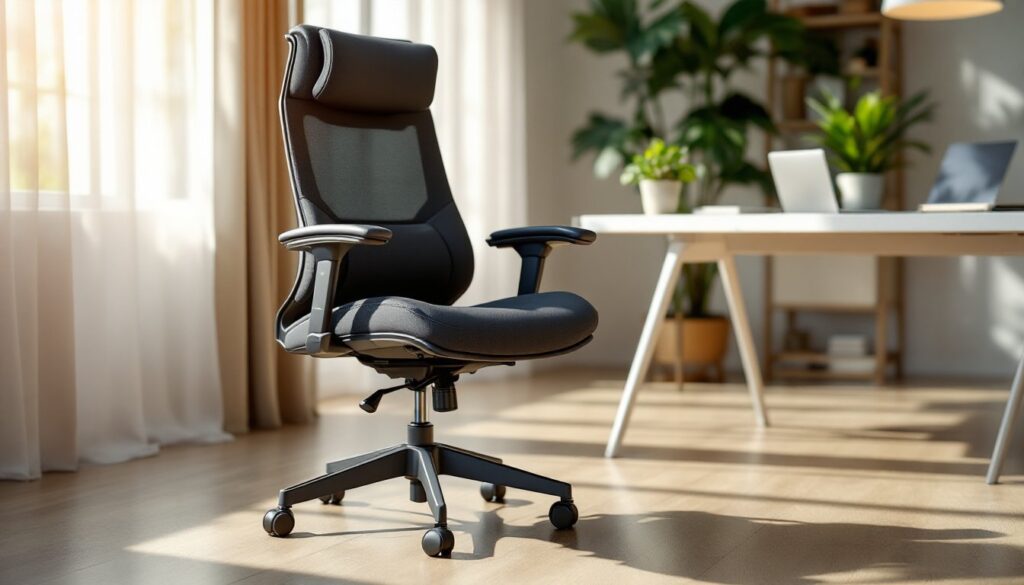
A flimsy office chair isn’t just uncomfortable, it’s a liability. For anyone who works long hours from a home office, weighs over 250 pounds, or simply wants furniture that won’t sag and creak after six months, a heavy duty office chair is a critical investment. These aren’t your standard big-box retailer task chairs. They’re engineered with reinforced frames, industrial-grade components, and weight capacities that often exceed 400 pounds. Choosing the right one means understanding what separates genuine durability from marketing hype, and knowing which features actually protect your back, hips, and productivity over the long haul.
Table of Contents
ToggleKey Takeaways
- A heavy duty office chair must have a weight capacity of at least 300 pounds, a welded steel frame, and Class 4 pneumatic gas lift cylinders to ensure long-term durability under heavy use.
- Look for verified BIFMA or ANSI/BIFMA X5.1 certification when choosing a heavy duty chair, as third-party testing confirms weight capacity claims beyond marketing materials.
- Ergonomic features like height-adjustable lumbar support, 4D armrests, and synchro-tilt mechanisms are essential for maintaining back health and productivity during long work hours.
- A quality heavy duty office chair typically costs between $300 and $700, and the investment pays off over a 7-10 year lifespan when used for full-time remote work.
- Regular maintenance—including caster cleaning every 3-6 months, annual lubrication of moving parts, and fastener checks—extends your heavy duty chair’s lifespan well beyond a decade.
- Match your chair’s casters to your flooring type: soft polyurethane or rubber for hard surfaces, and hard nylon for carpet, to prevent damage and ensure smooth rolling.
What Makes an Office Chair Truly Heavy Duty?
The term “heavy duty” gets slapped on a lot of furniture that doesn’t earn it. A real heavy duty office chair is built around three core differentiators: weight capacity, frame material, and component durability.
Most standard office chairs are rated for 225 to 250 pounds. Heavy duty models start at 300 pounds and routinely exceed 400 to 500 pounds. This isn’t just about the seat holding up, it’s the base, the gas lift cylinder, the casters, and the tilt mechanism all working under higher load without failure.
Frame construction typically uses welded steel rather than stamped metal or plastic connectors. Steel frames distribute stress evenly and resist bending under repeated loading. Some high-end models use reinforced aluminum alloy, which offers strength with less weight, but steel remains the workhorse standard.
The gas lift cylinder is a common failure point in cheaper chairs. Heavy duty versions use Class 4 pneumatic cylinders that meet BIFMA (Business and Institutional Furniture Manufacturers Association) safety standards. These cylinders are wider in diameter and have thicker walls to handle the increased pressure from heavier users.
Casters matter more than most people realize. Look for dual-wheel casters with at least a 2.5-inch diameter and nylon or polyurethane construction. Smaller, plastic casters crack and bind under load, especially on hard flooring. Some manufacturers spec rollerblade-style casters that glide smoothly on both carpet and hardwood without damaging either surface.
Upholstery and padding need to be dense but resilient. High-density foam (at least 2.0 pounds per cubic foot) holds its shape under prolonged compression. Cheap foam bottoms out within months, leaving you sitting on the seat pan. Mesh backs are popular for breathability but verify that the mesh is reinforced with a steel or composite frame underneath, unsupported mesh sags quickly under heavier weights.
Key Features to Look for in a Heavy Duty Office Chair
Not all heavy duty chairs are created equal. The best ones combine robust construction with adjustability that fits a wide range of body types and work styles.
Weight Capacity and Frame Construction
Always verify the manufacturer’s stated weight capacity, and check if it’s backed by third-party testing like BIFMA or ANSI/BIFMA X5.1. Marketing materials can be optimistic. Independent lab testing confirms that a chair can handle the load through thousands of sit-stand cycles.
Frame design should include reinforced stress points at the seat-to-back junction and where the armrests attach. Plastic shells with metal inserts aren’t enough for long-term heavy use. Full steel or welded tubular frames are the gold standard.
The seat pan itself should be at least 20 inches wide and 18 to 22 inches deep to accommodate larger frames comfortably. Narrow seats create pressure points and restrict circulation. Some models offer extended seat pans up to 24 inches deep for taller users.
Pay attention to the tilt mechanism. Synchro-tilt (where the backrest reclines at a different ratio than the seat) is preferable to single-point tilt. Heavy duty synchro-tilt mechanisms use steel gears and a tensioned spring system that adjusts resistance based on user weight. Cheaper versions use a single spring that either feels too loose or bottoms out.
The base should be a five-star design made from steel or reinforced nylon composite, not standard plastic. Bases rated for heavy duty use are often 28 inches in diameter (vs. the standard 26 inches) for better stability and weight distribution.
Adjustability and Ergonomic Support
Ergonomics aren’t optional, they’re what turn a durable chair into a productive workspace tool. Look for height-adjustable lumbar support that you can position at your natural spinal curve. Fixed lumbar pads rarely align correctly for different body types.
Armrests should adjust in at least three dimensions: height, width, and depth. 4D armrests add angle/pivot adjustment, which helps reduce shoulder tension during long typing sessions. The armrest pads themselves should be soft polyurethane, not hard plastic, and wide enough to support your full forearm.
Seat height range matters, especially in a home office where desk heights vary. A pneumatic lift with at least a 4-inch range accommodates users from roughly 5’2″ to 6’4″. Taller users should look for extended-range cylinders that add another inch or two.
Backrest height and recline are critical for spine health. The backrest should reach at least to the mid-shoulder blade and lock in multiple recline positions. A 130-degree recline is ideal for taking pressure off the lower back during breaks. Some heavy duty models include a tension control knob that lets you fine-tune how much resistance the backrest offers when you lean back.
Headrest inclusion is a personal preference, but if you want one, make sure it’s height and angle adjustable. Fixed headrests are useless for anyone outside a narrow height range. Many experts recommend testing ergonomic office chairs based on product reviews for home safety guides to ensure long-term comfort and durability.
Choosing the Right Heavy Duty Chair for Your Home Office
Buying a heavy duty chair for a home office isn’t the same as outfitting a corporate workspace. You’re balancing durability, aesthetics, floor protection, and often a tighter budget.
Start by measuring your workspace. A chair with a 28-inch base and wide armrests can feel cramped under a compact desk. Measure the clearance under your desk to ensure the armrests tuck in when you roll forward. Standard desk height is 28 to 30 inches: if yours is lower (like a vintage writing desk or a creative IKEA furniture modification), you may need a chair with a lower minimum seat height.
Flooring type dictates caster choice. Hard surfaces like hardwood, laminate, or tile require soft polyurethane or rubber casters to avoid scratching. Carpet needs hard nylon casters with enough bite to roll smoothly. Many heavy duty chairs ship with hard casters as default, plan to swap them if you’re on hardwood.
Aesthetics matter in a home setting. Heavy duty doesn’t have to mean industrial ugly. Look for chairs with upholstery options that match your décor, leather, leatherette, fabric, or mesh. Mesh backs are great for breathability but can look too utilitarian for a home office that doubles as a guest room. Full upholstery in neutral tones or modern design choices featured in sources like contemporary furniture reviews can blend functionality with style.
Assembly is another consideration. Heavy duty chairs are, well, heavy. Expect a box weighing 50 to 70 pounds. Most require basic assembly: attaching the base, gas lift, seat, and backrest. You’ll need a Phillips screwdriver and possibly an Allen wrench (usually included). Budget 20 to 30 minutes. If the chair weighs over 60 pounds assembled, recruit a second person to help flip it upright, tweaking your back trying to manhandle a chair is ironic and avoidable.
Warranty is your best gauge of manufacturer confidence. Look for at least a 5-year warranty on the frame and mechanism, with 2 to 3 years on upholstery and foam. Lifetime warranties on the frame and gas cylinder are common among premium heavy duty models.
Budget-wise, expect to spend $300 to $700 for a legitimate heavy duty chair with solid features. You can find cheaper options, but they often skimp on the tilt mechanism or use lower-grade foam. Going above $700 gets you premium upholstery, more refined adjustability, and longer warranties. If you’re working from home full-time, the cost-per-use over a 7- to 10-year lifespan makes the investment reasonable.
Maintenance Tips to Extend Your Chair’s Lifespan
A heavy duty chair is built to last, but it still needs regular care to hit that decade-plus lifespan.
Casters collect hair, dust, and carpet fibers. Flip the chair and pull each caster out of the base (they usually friction-fit into the star base). Use a utility knife or seam ripper to cut away tangled debris, then wipe the wheels with a damp cloth. Reinsert and test the roll. Do this every 3 to 6 months depending on floor type.
Lubricate moving parts annually. The tilt mechanism, armrest hinges, and height adjustment cylinder all benefit from a light spray of silicone lubricant. Avoid WD-40 or petroleum-based products, they attract dust. Wipe off excess with a clean rag.
Upholstery care depends on material. Fabric can be vacuumed with an upholstery attachment and spot-cleaned with mild detergent. Leather and leatherette need a damp wipe every few weeks and a leather conditioner every 6 months to prevent cracking. Mesh backs just need a vacuum or wipe-down to prevent dust buildup.
Check fasteners every 6 months. Heavy use can loosen bolts over time, especially on armrest mounts and the seat-to-back connection. Grab your Allen wrench and Phillips screwdriver and snug everything up. Don’t over-torque, steel threads can strip plastic inserts.
Gas cylinder sag is rare in quality chairs but can happen. If your seat drops slowly over the course of a day, the cylinder seal may be leaking. Replacement cylinders cost $30 to $60 and are a straightforward swap: remove the seat, pull the old cylinder from the base (a rubber mallet tap helps), and insert the new one. Match the cylinder diameter and length to your original.
Avoid sitting on armrests or leaning hard to one side. Even heavy duty chairs aren’t designed for asymmetric loading or perching. That’s how you bend frames and crack seat pans.
Store the chair properly if you’re moving or renovating. Disassemble it partway (remove the backrest and base) to reduce the risk of damage during transport. Wrap components in moving blankets and avoid stacking heavy boxes on top of the seat.
Conclusion
A heavy duty office chair is one of those purchases that pays dividends every single workday. Focus on verified weight capacity, steel frame construction, and true ergonomic adjustability, not just marketing claims. Measure your space, match your flooring to the right casters, and don’t skimp on warranty coverage. With proper care, a well-chosen heavy duty chair will outlast multiple desk setups and keep your back, hips, and productivity in solid shape for years to come.